
Back-To-School Safety Reminders
As the new school year approaches, families shift from summer routines to early alarms, organized schedules, and busy afternoons. This is also an ideal time to revisit safety practices that keep children protected throughout their day. Simple habits can make a meaningful difference, whether kids are getting to school, spending time in the classroom, or heading home after the final bell.
Back‑to‑school safety covers far more than what happens at school. Daily transitions—morning drop-offs, after-school activities, and time spent home alone—are moments when preparation matters. Reviewing safety expectations now can help children feel more confident and help parents feel more comfortable throughout the year.
Safe Habits Before the School Day Begins
A child’s trip to school sets the tone for the rest of the day, making reliable safety routines essential. Students walk, ride bikes, take the bus, or travel by car, and each option comes with important reminders.
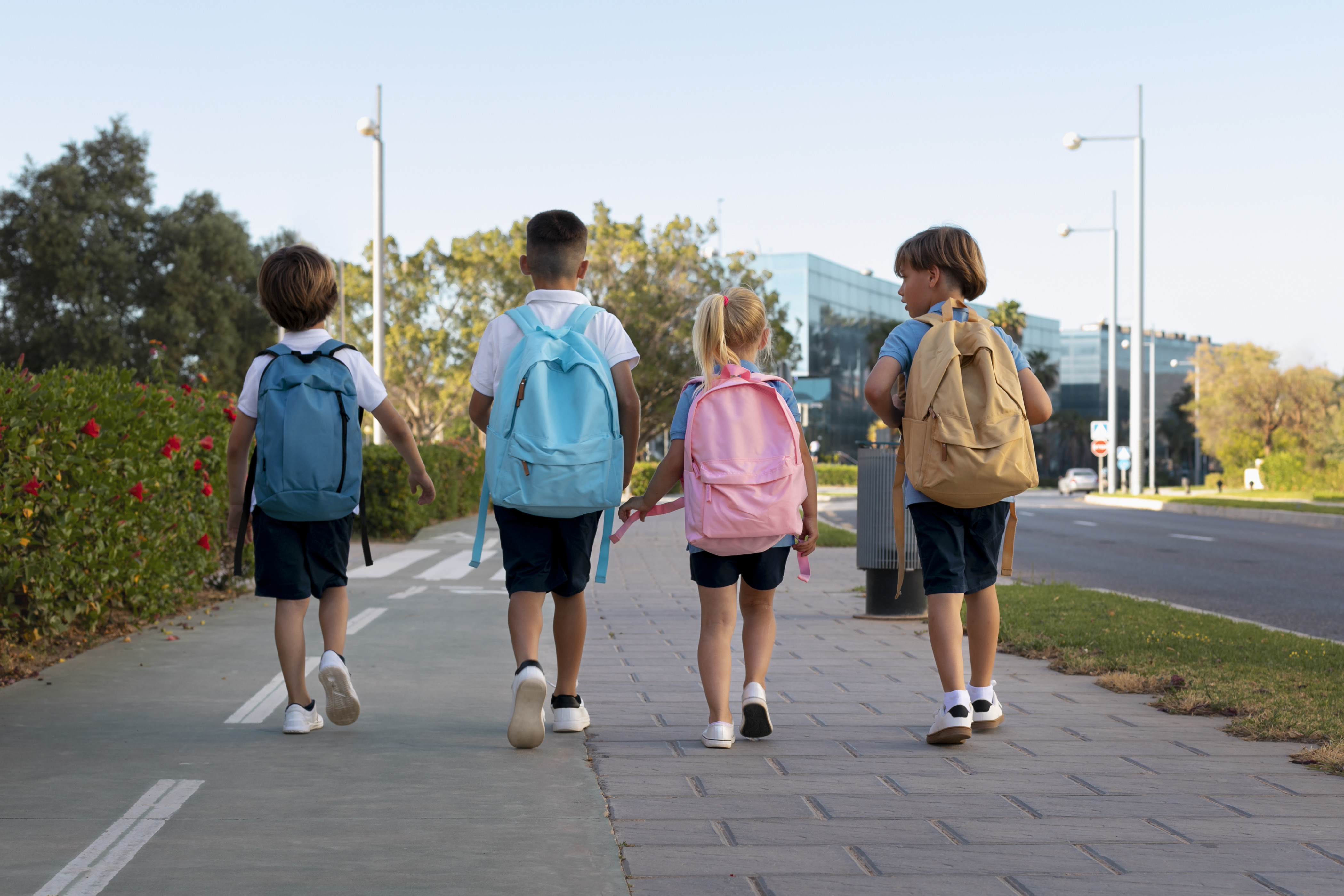
For children who walk to school, staying on sidewalks and crossing at marked intersections is key. Looking for oncoming cars is important, but making eye contact with drivers can help ensure children are seen before stepping into the street. Many families also encourage the buddy system so kids walk with a sibling or friend, helping them stay alert and more visible.
Kids who bike to school should always wear a snug, properly fitted helmet. Riding on the right side of the road and following the flow of traffic keeps riders predictable for drivers. Students should stop fully before crossing any street and choose routes with lighter traffic when possible to make the trip less stressful.
Bus riders should review basic safety habits before the school year begins. Children should stand several feet back from the curb and wait until the bus comes to a complete stop before approaching. Students should never walk directly behind a bus and should only cross in front after making sure the driver can clearly see them. These small steps help reduce risks during crowded morning pick-up times.
Parents driving children to school also play an important role in creating a safe school zone. Following established drop-off routes, slowing down in posted school speed zones, and never passing a stopped school bus are essential daily habits. These precautions help protect all students, not just those inside the vehicle.
Teen drivers may need extra reminders as they return to school traffic. Talking about seatbelts, avoiding distractions, respecting speed limits, and keeping passenger numbers low can help reinforce safe driving as part of their routine.
Building Safe and Healthy Routines at School
Once students arrive at school, several everyday practices support both safety and overall well-being. One of the most valuable skills children can learn is how to handle an emergency. Students should know their full name, home address, and at least one parent or guardian’s phone number. Many families choose to place a small information card in their child’s backpack that lists emergency contacts and any important medical details.
Good hygiene habits are another key part of the school day. Schools naturally bring many children together, which can increase the spread of germs. Teaching kids to wash their hands regularly and avoid sharing food, drinks, or utensils can help minimize illness throughout the year.
Backpack safety is often overlooked but plays a big role in a child’s comfort. Heavy bags can strain the shoulders and back, so experts recommend keeping the weight to no more than 15% of a child’s body weight. Using both straps instead of slinging the bag over one shoulder helps distribute weight evenly.
Families should also keep bullying prevention as an ongoing conversation. Talking openly about what bullying looks like—whether physical, verbal, or online—helps children understand when to seek help. Knowing they can approach a trusted teacher, coach, or counselor can make it easier for students to speak up if something feels wrong.
Labeling personal items is another smart habit. Rather than printing a child’s full first name on the outside of lunch boxes or backpacks, families may prefer using initials or placing the label inside the item to protect privacy.
Staying Safe After the Final Bell
Safety considerations continue long after school ends. Afternoons can be unpredictable, especially in households balancing work commitments, sports practices, and shifting transportation plans.
One helpful step is establishing a reliable after-school check-in. Kids who walk home or arrive before a parent can send a quick call or message to confirm they are safe. Some families use tracking apps or small GPS devices attached to backpacks for added reassurance.
If a child spends time home alone, families should set clear expectations—locking doors, avoiding answering the door for strangers, and understanding rules about phone or internet use. Children should also know what to do if someone unexpected comes to the house.
Online safety remains essential during the school year. Remind children not to share personal details like addresses, school names, or daily schedules on social media or messaging apps. Creating an open space for kids to talk about online interactions can help them feel safe reporting anything that seems uncomfortable.
Emergency planning is another valuable discussion. Children should understand where to go during severe weather, where the family meets outside in case of a fire, and which trusted adults to contact if they cannot reach a parent. Practicing these plans can help children stay calm if an unexpected situation arises.
Supporting Family Safety Throughout the Year
The back‑to‑school season brings new routines, energy, and opportunities. Taking time to revisit safety habits—before, during, and after the school day—helps set families up for a confident start to the year. As you prepare for the months ahead, the team at Insurance Center is here to support families throughout the New Orleans area with resources and protection options. Whether you need guidance on auto insurance New Orleans residents rely on, home insurance New Orleans families trust, or coverage quotes New Orleans homeowners request each year, we’re here to help keep your household protected.